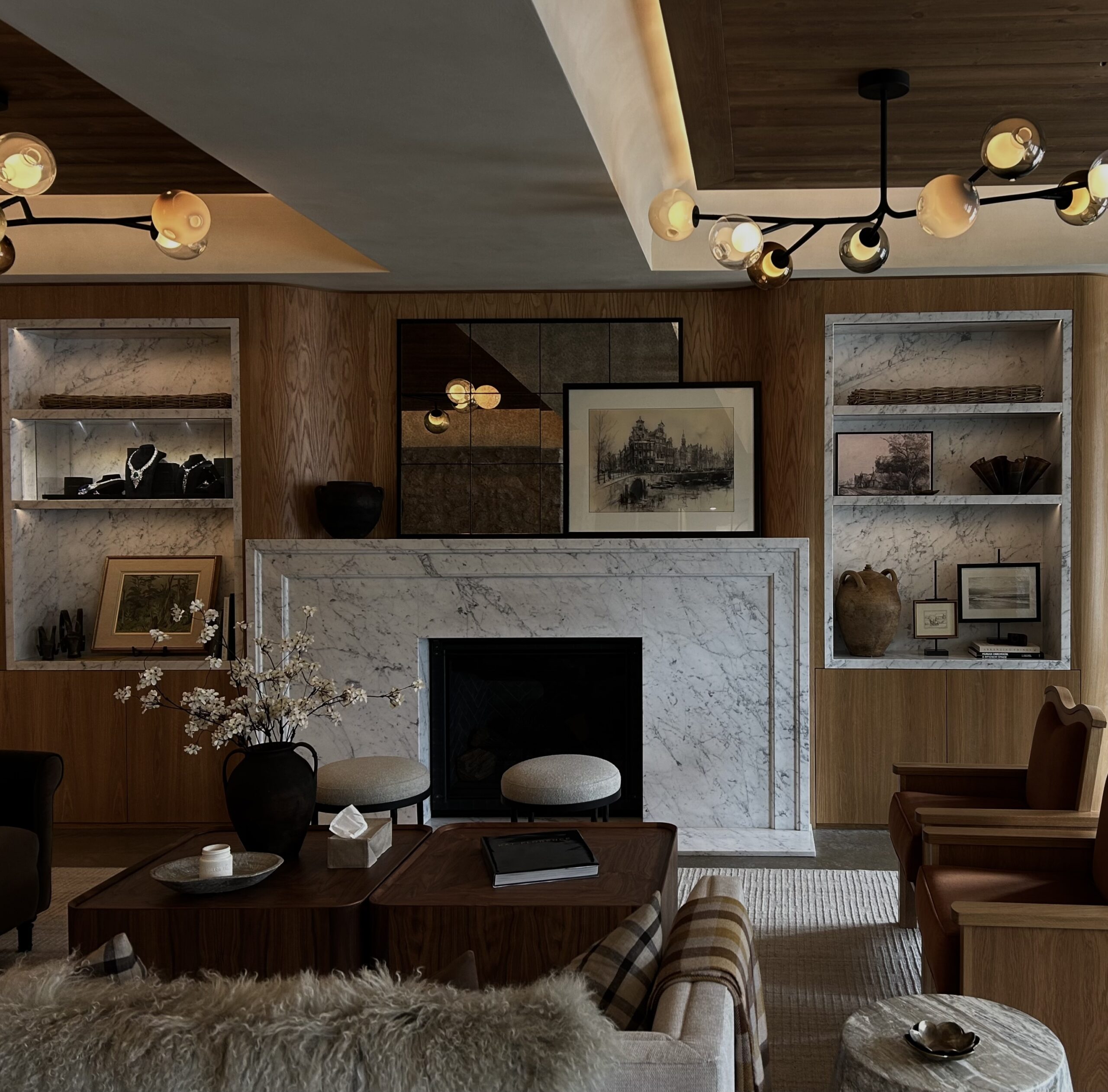
You know how, as the years go by living in your home, you naturally start to make mental notes of what you want to edit out, add, and refine?
You probably do something similar with your brand. Because just like your interior aesthetic matures and evolves over time, your brand’s visual identity does, too.
If you’re feeling the pull to make a change, this post is for you—written to help you gather clarity on what’s worth refining and what’s worth keeping.
A Disclaimer Before You Start Questioning Your Interior Design Brand
Social media gives shiny object syndrome. We see the new launches. We see the new work people are putting out into the world. And we start to feel behind. Or maybe a little “less than.”
So, here’s an important note to begin with: this post isn’t about vanity, or change for the sake of change, or chasing what’s “trending.” It’s about paying attention to what doesn’t fit you anymore while recognizing it’s also worth it to keep pouring into what matters to you and your success.
Now with that in mind, let’s explore what typically shouldn’t change—especially if and when you’re already working with a strong brand foundation built on clarity and creativity.
Take a well-built home as an example. You don’t tear down load-bearing walls every time your taste shifts. And you don’t normally renovate down to the studs unless something is structurally or functionally just not working for you. What you do is update in layers. Some seasons call for lighter touches, like swapping textiles, adding a fresh coat of paint, updating hardware, and bringing in wallcoverings and art that reflect your interests today. And other seasons call for more substantial updates. The bigger investments, made less often, like tile, countertops, appliances, and flooring. Still, it’s not a complete rebuild.
Your brand works the same way. You don’t scrap your logo, colour palette, and typography suite every year. Because those core elements need time to do their job. My general rule of thumb is to live with your visual identity for three to five years before making any major changes. Brand recognition is built through consistency and repetition, after all.
Give yourself room to play around with the pieces, see what fits and feels right, notice what you’ve outgrown, and process the perspective you’ve collected along the way. Restraint can be a beautiful thing.
The Natural Phases of Brand Evolution for the Interiors Industry
I’ve found the majority of brands, especially those within the interiors industry, move through a few recognizable phases, and each one calls for something different.
Phase 1: Starting Out
In this phase, you’re building the proof and learning what you’re capable of. You have a small collection of portfolio imagery. You’re not quite attracting your ideal client, mainly because you’re still discovering who that really is. And you’re getting specific on what you stand for. But that clarity is a work in progress.
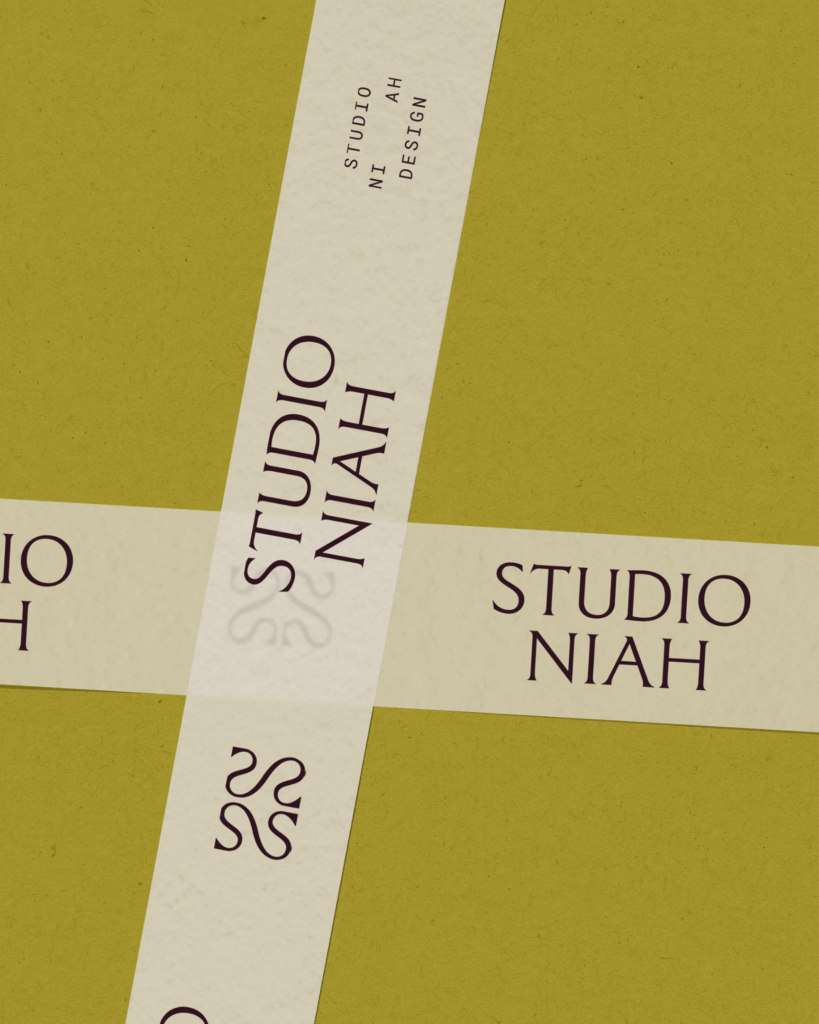
Your brand’s role at this stage is awareness. What it doesn’t need to do is capture every nuance of a design philosophy you’re still forming. That’s why I don’t often recommend a fully custom brand in this phase. However, a semi-custom brand can give you a sophisticated, aspirational starting point without asking you to overcommit—financially or creatively—to an identity built on answers you don’t have yet.
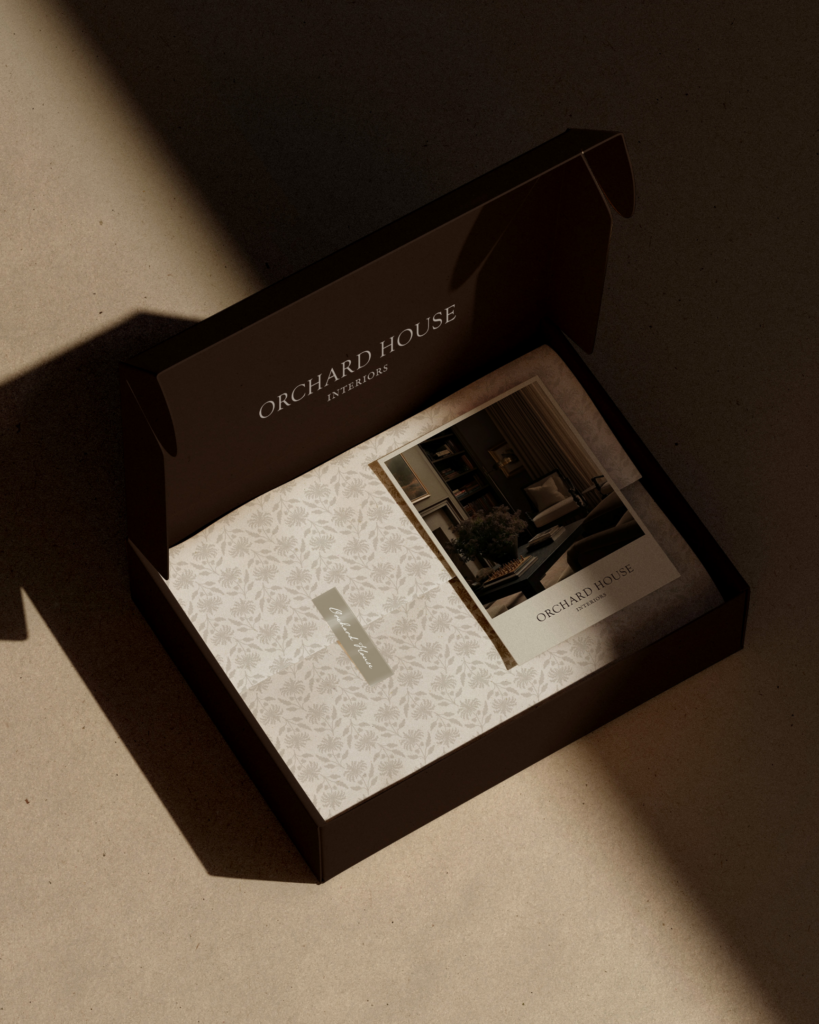
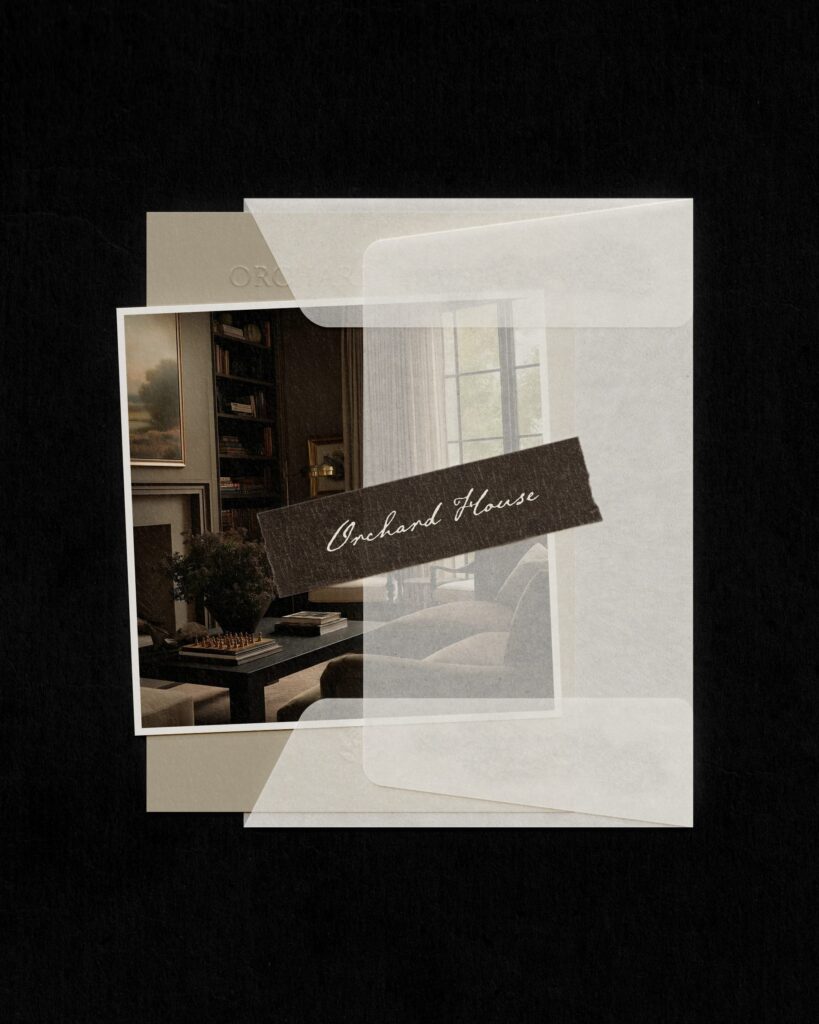
Phase 2: Growing Into It
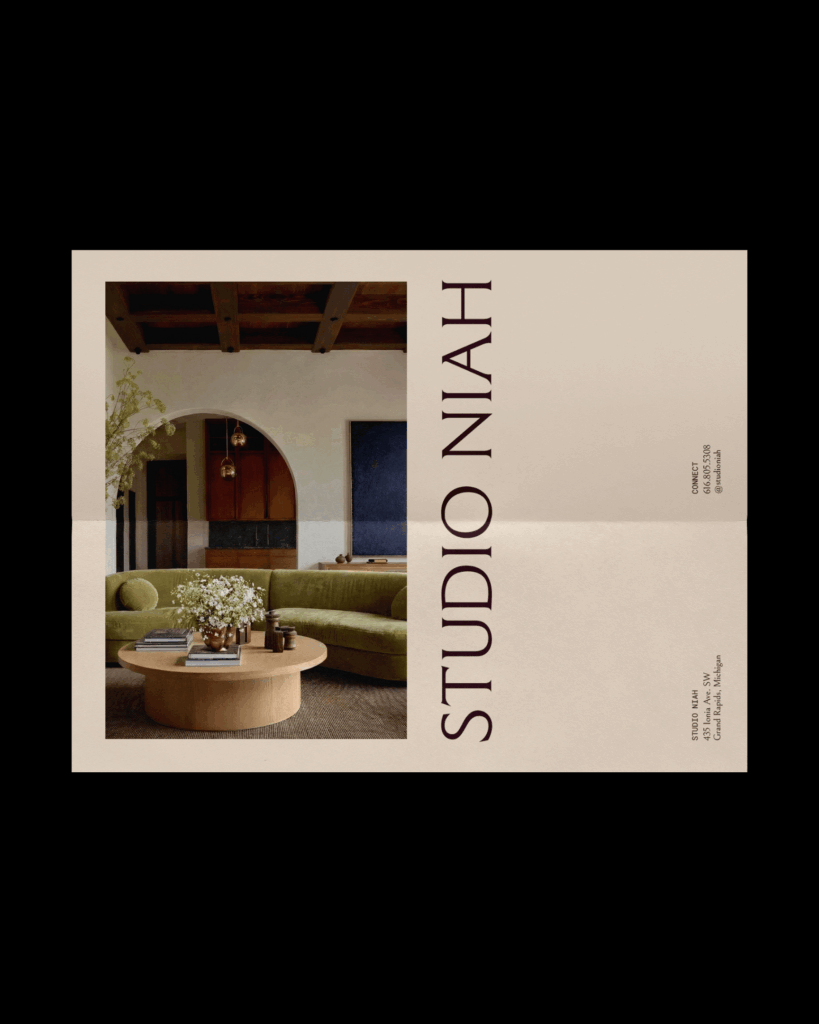
This is when most Duelle Made clients seek out custom branding services. You’ve worked with a range of clients on a range of projects, with at least three to five or so years under your belt. You’re paying attention to the patterns—like the projects you love most and the qualities of clients who feel the most aligned. Plus, your design sensibility is sharpening, and you have big goals to meet in the not-so-distant future.
In other words, you have the raw material a custom brand is built from: real experience, real preferences, and a real point of view. That’s what makes this phase different from the one before. You’re no longer guessing your direction. You’re ready to articulate it.
Phase 3: Elevating & Adding On
By now, you’re confident in who you are and what your business has become. Your portfolio is strong, and you’re running on referrals and reputation.
This stage is when the business itself starts to expand: whether you’re adding a studio presence, introducing a shop component, growing your team beyond 1-of-1, or shifting your service offerings toward the work you want to be known for.
Whatever you may be looking to achieve, your brand should speak the same language—consistently and without asking you to improvise on the spot. If it doesn’t, it’s time to revisit. More than your visual identity, it calls for reassessing your messaging, content marketing, and client experience. Every touchpoint should feel high-end and on-brand.
The Brand Elements That Commonly Evolve With You
Here are the five primary areas where brand evolution typically happens, along with what to consider for each.
Colours & Fonts
These sit closest to your core identity, so changes here should be considered rather than constant. But considered doesn’t mean never.
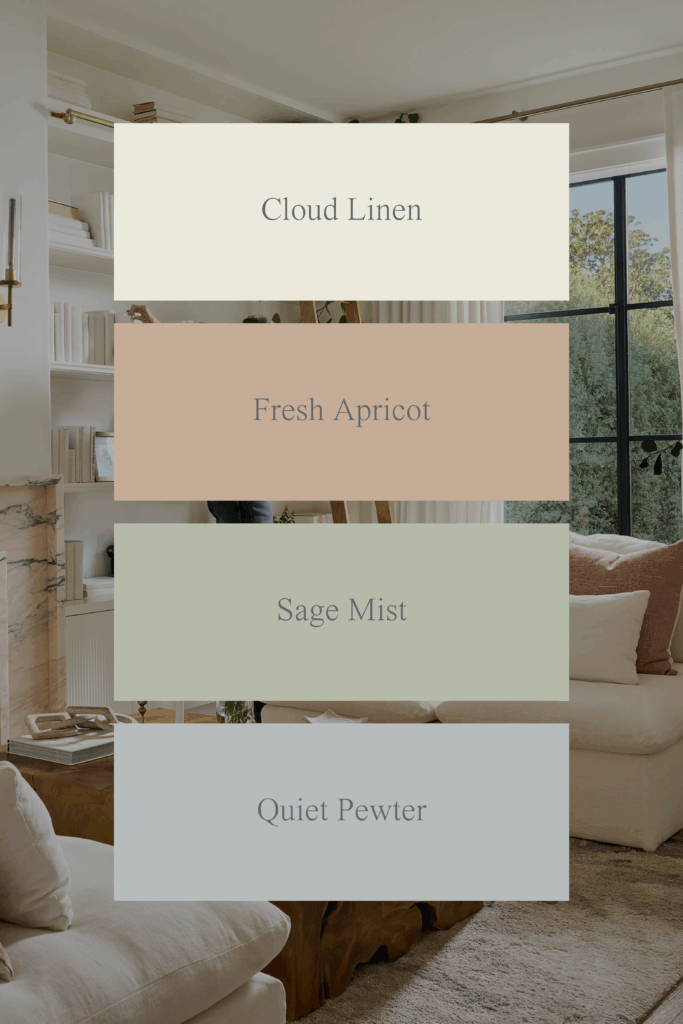
Evolution at this layer usually looks like refinement, not replacement. Think about pulling in a richer secondary colour that adds depth to your palette, adjusting a tone that’s begun to feel trendy rather than timeless, or swapping a font that no longer feels current with one that carries a similar spirit but more staying power. Your primary palette and typefaces stay recognizable while the supporting elements around them mature.
Signs it’s time: When your visual identity feels generic, like you’re blending into the background. Or when it feels dated next to the work you’re doing and the clients you’re attracting.
Brand Elements
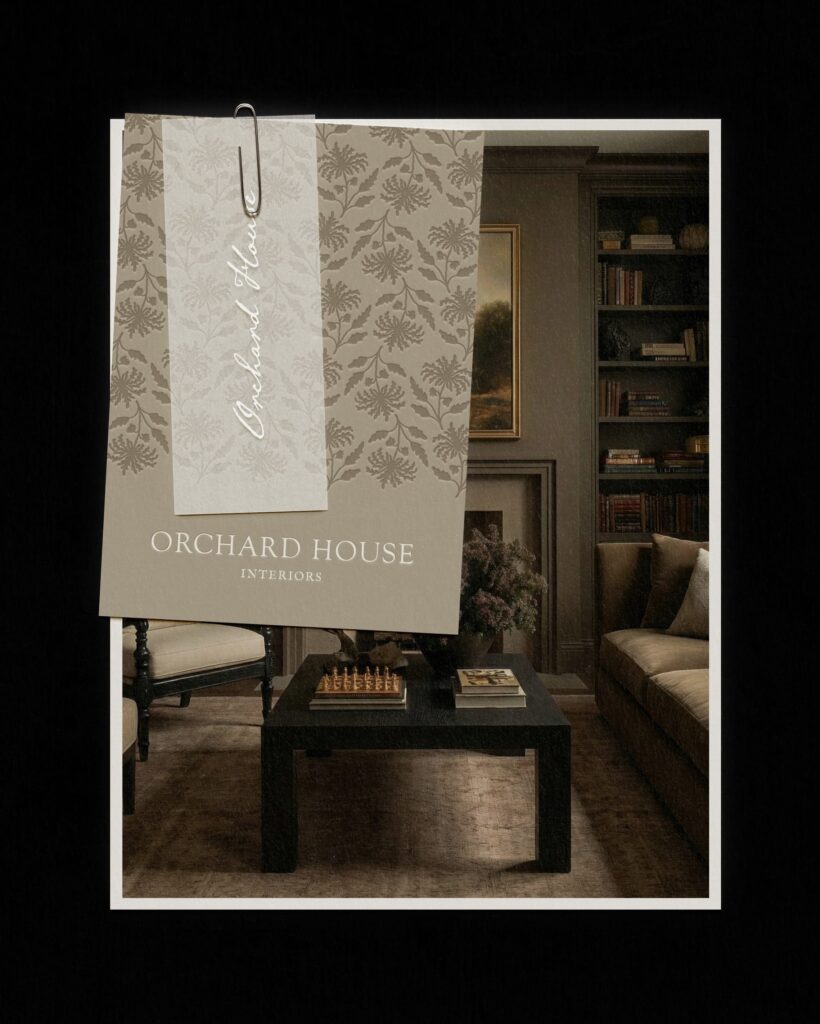
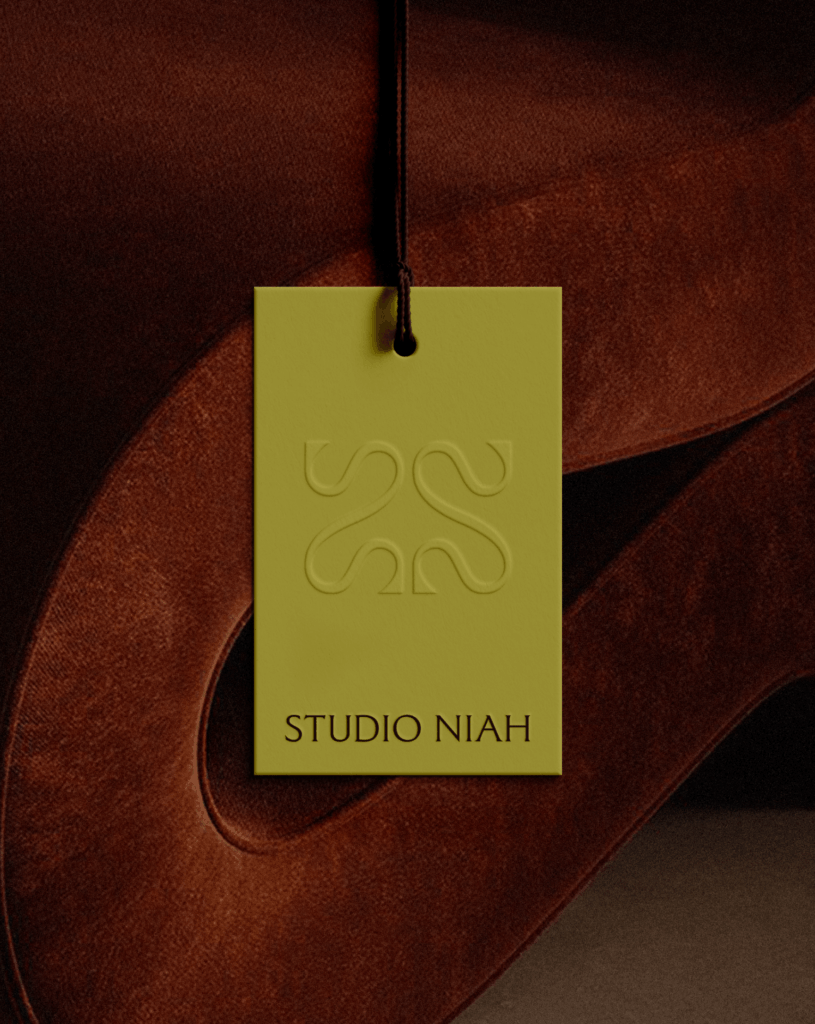
These include secondary logos, submarks, patterns, textures, and other relevant graphic elements that support your core identity. As your “accessories,” they have plenty of room to evolve. A monogram or icon that once felt right might need updating as your positioning shifts. A pattern you introduced as a fresh detail might be retired when it no longer aligns with your aesthetic or brand maturity. You might add elements, too: textures for social graphics or illustrations for packaging and merchandise. It’s how your identity stays current without sacrificing recognition.
Signs it’s time: When your supporting elements are no longer supporting you in this era of your business. Or when you keep reaching for something that doesn’t exist (yet).
Website Experience
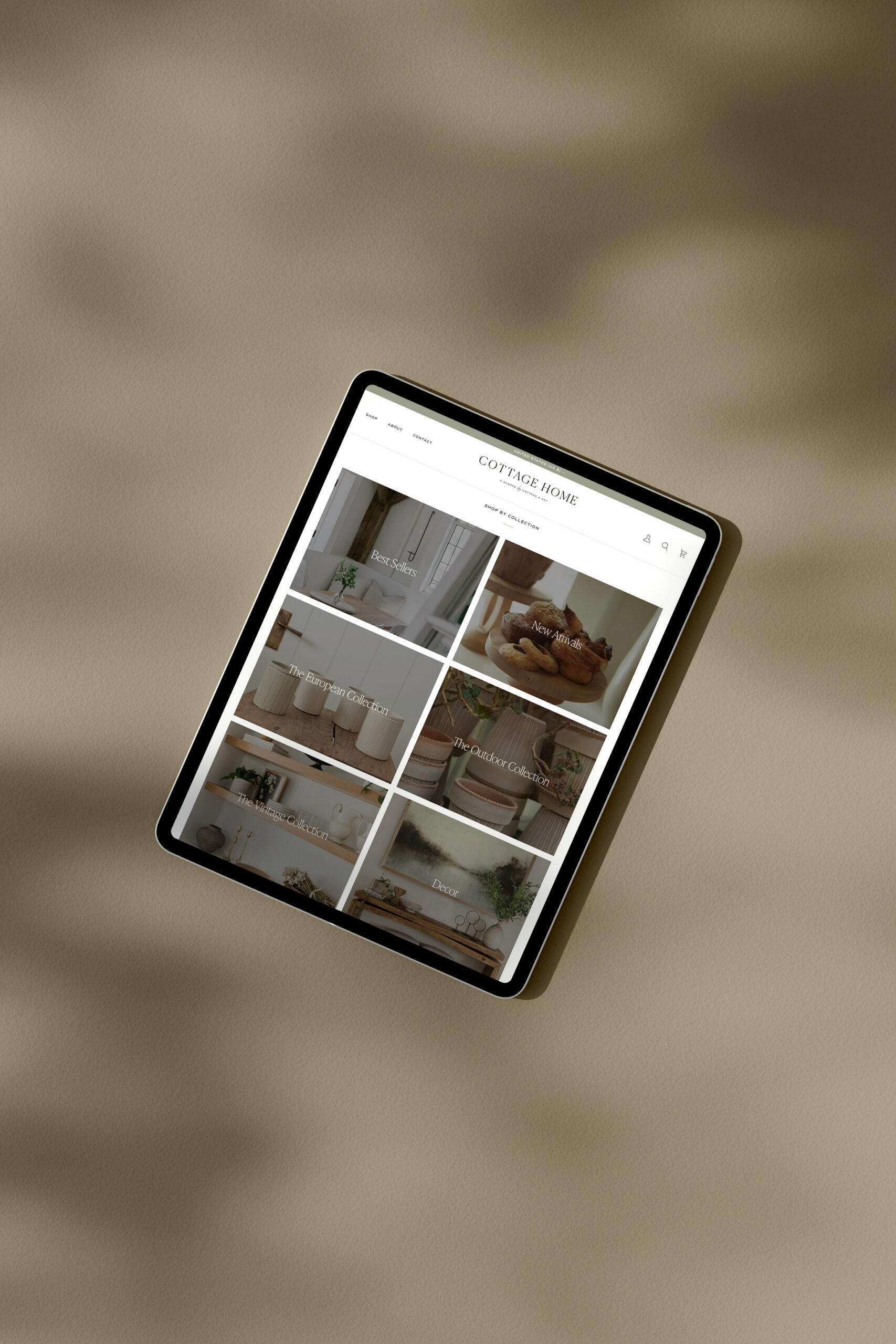
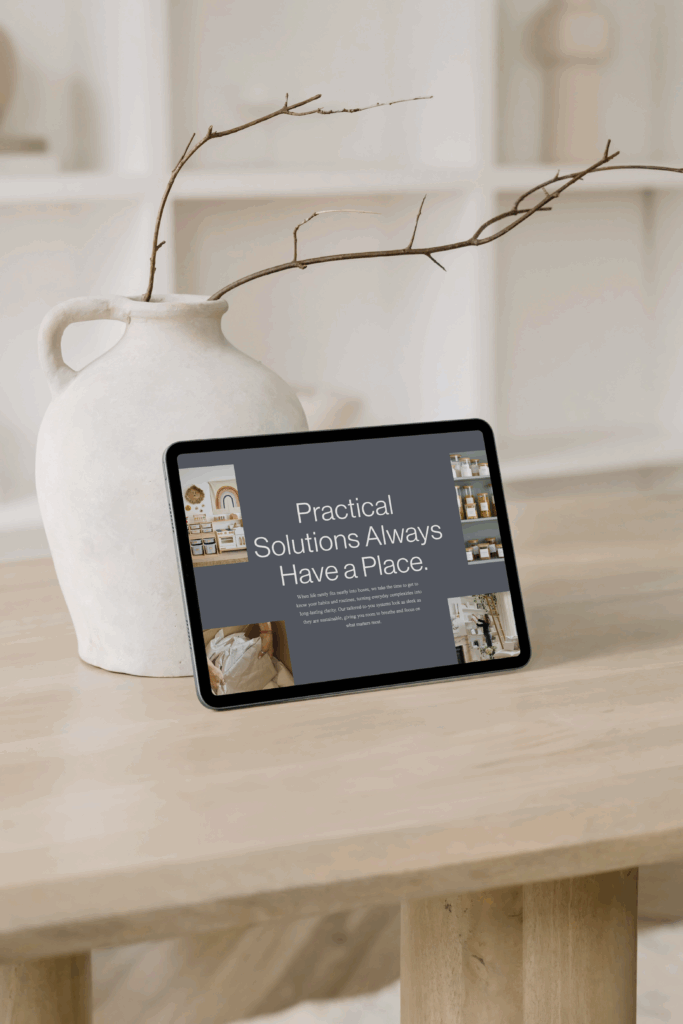
Your website is your most dynamic brand touchpoint, and it’s also the one most likely to fall behind. Photography ages quickly. Portfolio work needs to be updated to showcase your best and most recent projects. Press features accumulate. Layout trends shift. Features that felt modern three years ago can make a site feel static and out of touch. And beyond the obvious aesthetics, your site needs to keep the pace functionally—from your navigation to the services listed, your inquiry form questions and process, FAQs, and more.
This is why thoughtful website maintenance should be a natural part of your annual to-do list, or even every six months. Maintenance days are a supportive service to schedule in this seemingly small yet regular attention so you don’t require a big, overwhelming overhaul later.
Signs it’s time: When you hesitate to send someone to your website, or when your best, most recent work and press features aren’t present.
Messaging
Early-stage messaging can be broad and inclusive, speaking to whoever might be interested. Evolved messaging, on the other hand, is specific and somewhat exclusive. It speaks directly to the client you want, describes the exact solution you provide, and positions you where you want to be in the market. It’s the difference between “full-service interior design for beautiful, functional homes” and language only you can claim.
Signs it’s time: When the words could belong to any designer in the market, your portfolio has evolved but your messaging is still playing it safe, or you cringe a little when you read your own words.
For more on this, be sure to read Copywriting Strategies for Showing Up Fully as an Interiors Brand.
Marketing Materials
Proposals, presentations, questionnaires, welcome packets. These are the materials your clients often spend the most time with, and at the most decisive moments of the relationship.
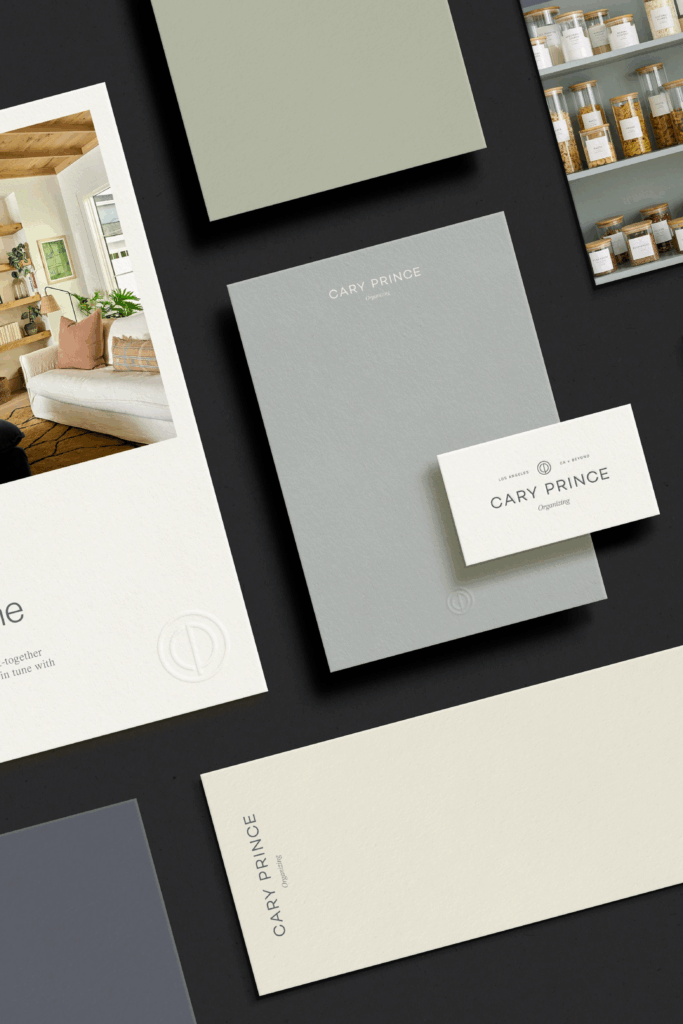
If any of these have outdated visuals and copy, or don’t reflect how you actually work now, the disconnect shows. Keeping your client-facing materials aligned with your current brand communicates professionalism and attention to detail, which is what your clients are hiring you for.
Signs it’s time: Whenever your core brand evolves, these should be on the list.
Knowing When It’s Time for a Brand Evolution
So how do you tell the difference between brand envy and a genuine signal that yours needs real attention? The signs tend to show up sometimes subtly, yet consistently, in your day-to-day.
A few worth paying attention to:
- You hesitate to share your own website or materials. When someone asks for your portfolio and your first instinct is to apologize for it or add a disclaimer like, “We need to update this asap.”
- Your work has outgrown your brand. The projects you’re completing now are more refined, more elevated, or simply different from what your visual identity communicates.
- You’re attracting inquiries that don’t fit. If the clients reaching out aren’t aligned with the caliber of work you want to be doing, your brand may be speaking to who you were, not who you’ve become.
- Your touchpoints feel inconsistent. Your Instagram says one thing, your website and client experience say another. That patchwork feeling is a sign the pieces have drifted.
- You’ve finessed your services or positioning. Maybe you’ve moved away from single room design to whole-home renovations, or you’ve raised your project minimums, or grown from being 1-of-1 to a team. Your brand should catch up.
Several of these showing up persistently for months? That’s a nudge to give your brand the thoughtful attention it deserves.
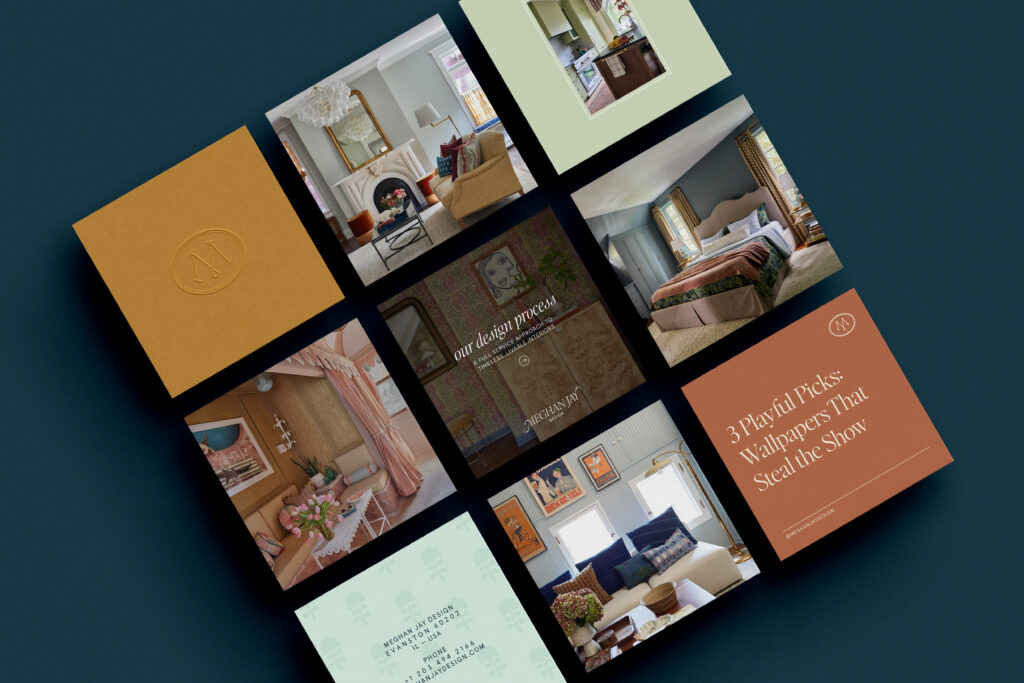
A Real Example: Meghan Jay Design
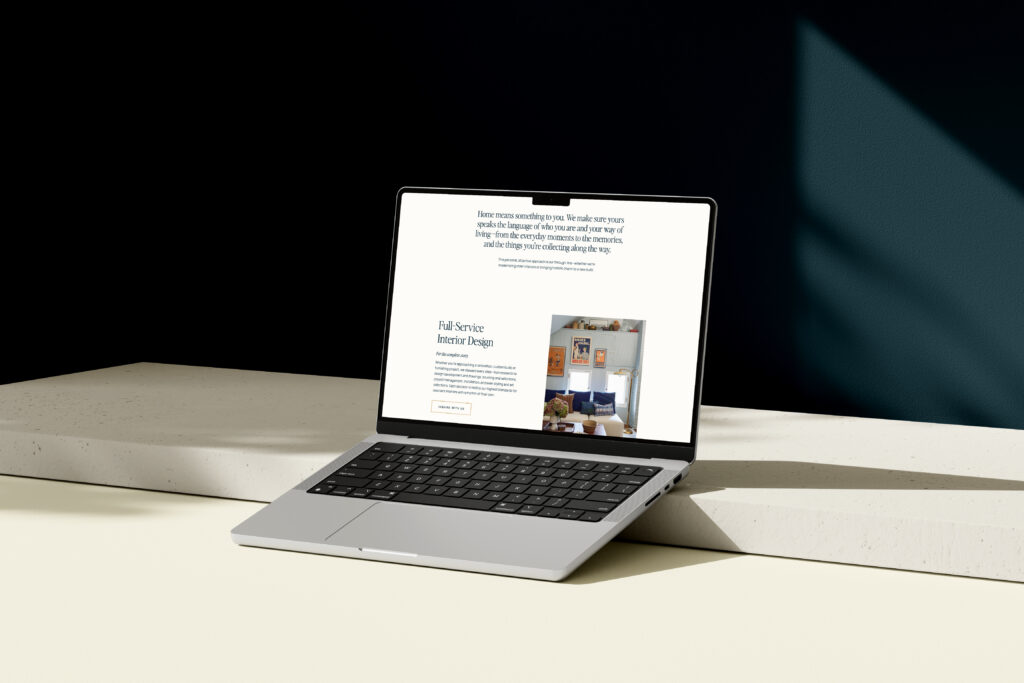
Meghan Jay Design is an award-winning, full-service interior design firm defined by a modern style with vintage flair. Meghan is a wonderful example of what investing in brand evolution looks like when it’s done with intention.
We first worked together in 2024, and in the time since, she’s experienced tremendous growth alongside a brand that’s served her well. She was ready for the next step: not a reinvention, but a thoughtful refresh of her digital presence to match where she is today. Read the complete case study.
Your Interior Design Brand Should Feel Like Home
The goal is never to build a brand once and leave it untouched forever. It’s to build a foundation strong enough to evolve gracefully. One where the load-bearing walls hold, and the details pivot and grow alongside you.
If you’re sensing it’s time to edit out, add, and refine, whether that’s through a thoughtful refresh, a fully custom brand, or simply a maintenance day to bring everything back into alignment (reserved exclusively for past Duelle Made clients), I’d love to hear from you. Inquire about working together.